

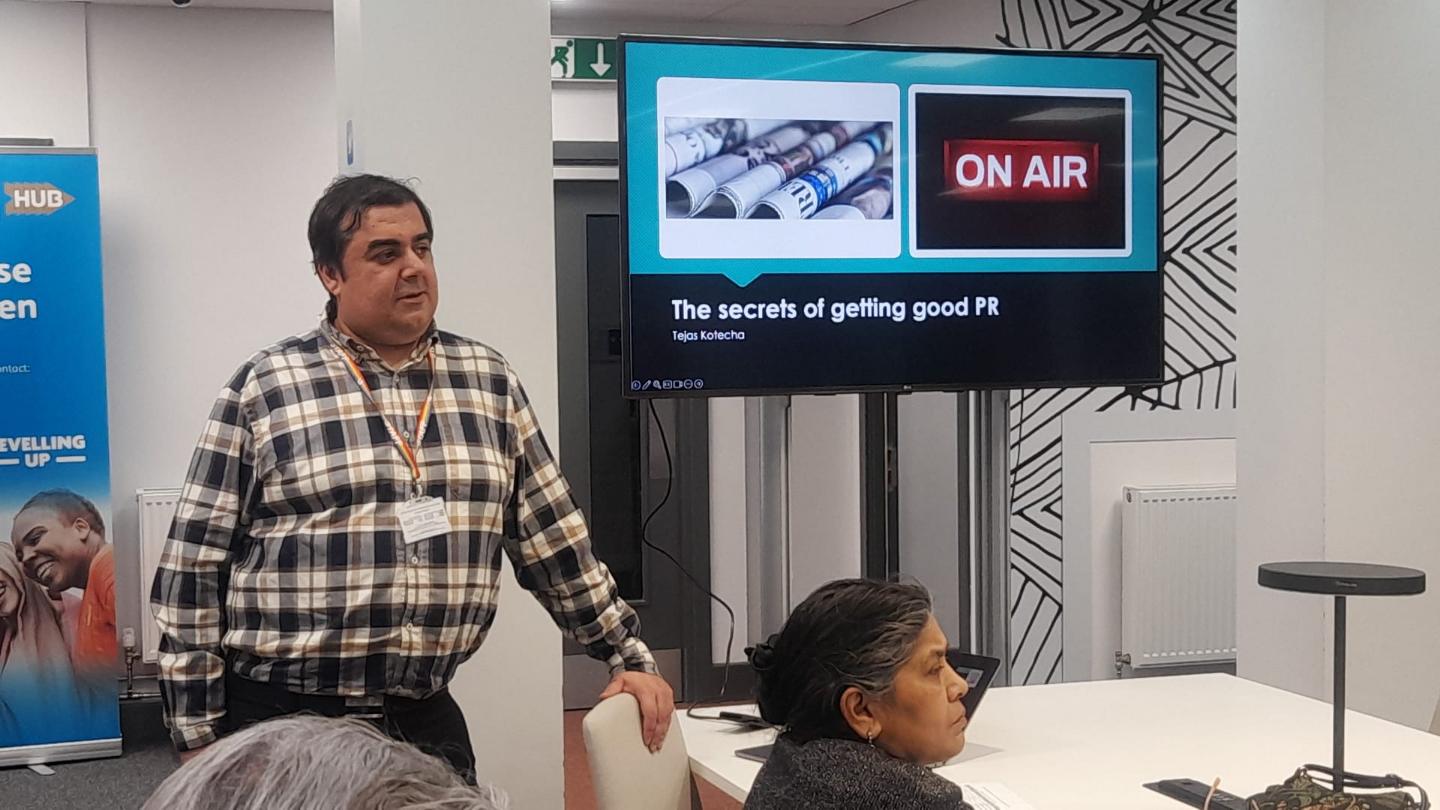
Most communication training teaches people what to say. I go a step further — helping people understand why they don’t say it when it counts.
After twenty years at Sky News and Sky Sports, where every word mattered and millions were watching, I now work with corporate teams who know they should speak up, give honest feedback, and challenge bad ideas … but they don’t.
The problem isn’t knowledge. It’s courage. And courage requires more than a half-day workshop on presentation skills or the best way to speak with senior managers.
The communication workshops I run combine broadcast experience with Harvard’s Socratic method to create transformation. This happens through a safe space, honest conversations, debates, and analysis.
I use the Socratic style famously used by Harvard Professor Michael Sandel whose philosophy lecture series has been watched by tens of millions globally. Forget the standard PowerPoint presentation with a video. This is transformational learning.
Rather than lectures on active listening, we explore real dilemmas you face at work. Speaking truth without destroying relationships, challenging colleagues without undermining them, and navigating power dynamics and differences with skill.
These aren’t hypothetical exercises. They’re the actual situations that keep your leaders up at night. We film you in practice sessions so you see your actual behaviours and not what you think happened.
Everyone has a version of themselves they think they project. But how do you really come across to your team? Perhaps you avoid eye contact when anxious. You use filler words when uncertain. You dominate conversations without realising. And (like me) interrupt others when you feel you have something exciting to say.

The gap between who you think you are and who you actually are is something most employees never grasp. It’s because they never really analyse it or speak openly about it.
I don’t do generic roleplays about “giving negative feedback to someone you manage.” I present genuine dilemmas: your colleague proposes a strategy you know will fail and the CEO is excited about it. Do you speak up?
Someone makes a comment that lands as offensive but clearly didn’t mean it that way. What do you say?
You need to give feedback but you’re worried about how your identity affects how it lands. How do you navigate that?
These scenarios force honesty about what people actually do versus what they wish they’d do.
We integrate diversity and inclusion directly into communication work because identity influences how you’re heard. The same confident behaviour that earns one person respect earns another a reputation for being difficult. If we can bring inclusion into our communication then that yields better outcomes, happier staff, and a more collaborative approach.
We cover: how gender affects perception of assertiveness, how race affects perception of anger, how accent affects perception of competence. Teams see the double standards they’ve been navigating unconsciously for years and finally have language to name them.
Teams leave understanding the trade-offs they make between truth, impact, and relationship. They stop avoiding difficult conversations because they now understand what drives their choices. Fear of conflict. The need for approval. Protecting their status. Preservation of relationships.
Once you see what’s really stopping you, you can choose differently. You navigate workplace dilemmas consciously and with confidence. This isn’t motivational speaking or generic skills training. It’s sophisticated work and a form of communication coaching for teams ready to confront uncomfortable truths about how communication really works when power, identity, and pressure are in play.
The transformation doesn’t come from learning techniques, it comes from awareness you can’t unknow. And that awareness fundamentally changes how people show up in every difficult conversation for the rest of their careers.